Creating a Community of Inclusion
Heroes Don't Always Wear Capes
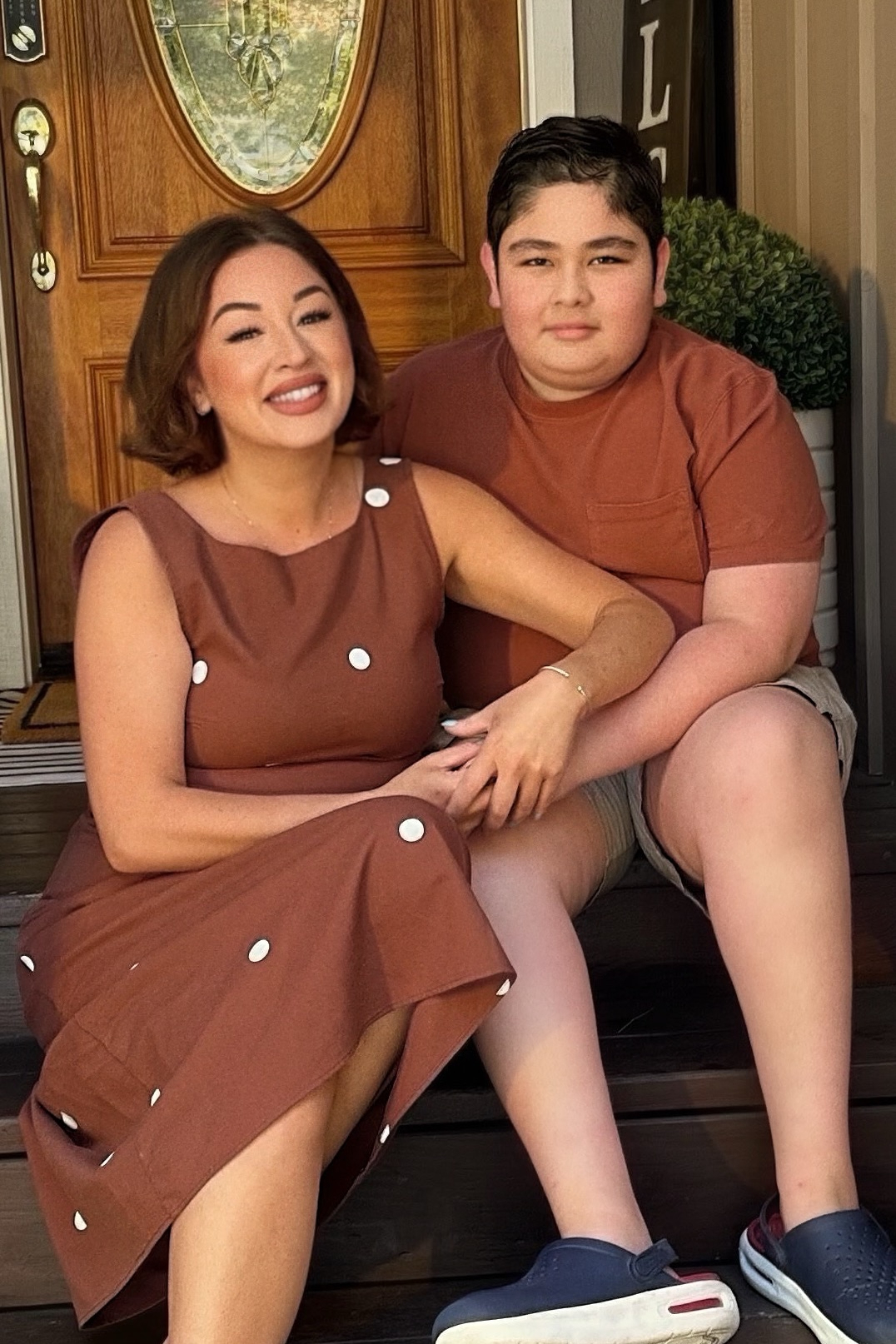
Lizette with her son, Liam
My son, Liam is 11 years old, and throughout his life he has rarely been in a therapy program for more than six months at a time. At one point, he attended therapy for just two weeks. I always dreaded school breaks because they meant two things: no therapy and long days that I needed to figure out how to fill for him.
If Liam had his way, he'd happily spend every waking moment watching YouTube Kids. While that would certainly make life easier, I wanted more for him. I wanted him outside. I wanted him engaged. I wanted him to experience the same simple joys other families enjoy. That sounds easy enough, until you actually try. Liam has a diagnosis of autism.
People would suggest, "Take him to the park," "Sign up for a paint class," or "Go see a movie.” Those are wonderful ideas. They just weren't built for people like Liam in mind. At the park, Liam is terrified of the slide. I spend more time trying to safely help him down from the slide than he spends playing.
A painting class? That works…until he needs to get up and move. If I insist he stay seated, the meltdown begins.
A movie theater? Liam has never sat through an entire TV show, let alone a full-length movie. His joyful sounds aren't always welcomed by other guests, and neither is his curiosity when he reaches over to grab a handful of popcorn from the stranger sitting next to him.
A painting class? That works…until he needs to get up and move. If I insist he stay seated, the meltdown begins.
A movie theater? Liam has never sat through an entire TV show, let alone a full-length movie. His joyful sounds aren't always welcomed by other guests, and neither is his curiosity when he reaches over to grab a handful of popcorn from the stranger sitting next to him.
The truth is, Liam can do all of those things. But those activities weren't designed for children who experience the world the way he does. That's when I realized the need wasn't just for activities. It was for belonging.
I started asking myself what I wanted to create for him. Art classes. Sports. Movie showings. Nature walks. The possibilities felt endless. But one word kept coming back to me: community. I didn't just want opportunities for Liam. I wanted to find other families who understood this life.
More times than I can count, another parent would tell me about something their child was doing, and I'd excitedly say, "Oh! Liam used to do that too!" Only to be met with a concerned look and, "But...my child isn't autistic.” I knew I wasn't alone. I just hadn't found my people yet.
So, I started making phone calls. I told everyone who would listen that I wanted to create fun, welcoming activities for children with disabilities and special needs, whatever term a family chose to identify with. The response was always the same. "Do you have a nonprofit?" I didn't.
"I'll let you know when I do," became my answer over and over again. Eventually, feeling discouraged, I shared my frustrations with a close family friend. His response changed everything. "Let us help you."
That's how I partnered with the Salinas Police Activities League. They welcomed my idea under their umbrella of youth programs and gave me a place to host my very first art class. I gathered every art supply I owned, borrowed Liam's paints, designed a simple flyer, and hoped someone would come.
Four children attended the first class. Two came back the next time. Then fourteen showed up. Without realizing it, I was building the community I'd been searching for. Parents sat beside their children creating art together. If a child became overstimulated, they got up, walked around, and returned when they were ready. If they needed to stim, they stimmed. If they needed a break, they took one. There was no judgment and no apologies. The children made friends. The parents did too. It wasn't just an art class, it was exactly what all of us had been missing..
Unfortunately, I was still just one person. As much as I wanted to keep it going, I didn't have the resources to sustain it. I reluctantly put the program on pause, promising myself I'd come back to it someday. That "someday" arrived a month ago.
I caught myself thinking, I really want to see Toy Story 5. For a moment, I considered taking Liam. Then the familiar thoughts crept in. Would he make too much noise? Would people stare? Would I spend the entire movie apologizing? Then I had another thought - What if we didn't have to apologize? What if I rented the entire theater and filled it with children like Liam? My heart loved the idea. My bank account...not so much. So, I picked up the phone again. This time, I called local business owners and family. Instead of asking whether I had a tax ID number, every conversation ended with the same words: "We want to help."
Because of the generosity of our community, we rented an entire theater. Every child received concessions, a stuffed Woody doll to take home, and, most importantly, the freedom to experience the movie exactly as they needed to. Children laughed, talked, stimmed, got up to walk around, and simply enjoyed being kids. Parents relaxed. No one apologized.
That's when it really hit me. The answer was never just creating activities. It was creating community. A community where families of children with disabilities know they belong. A community where local businesses step up because they believe every child matters. A community where differences are welcomed instead of accommodated. Because every child deserves to take up space exactly as they are.
So, while I still don’t have a nonprofit yet, I still see the need, and will keep going until every child, regardless of ability, belongs.