The History of Father’s Day: Honoring Dads Through the Decades
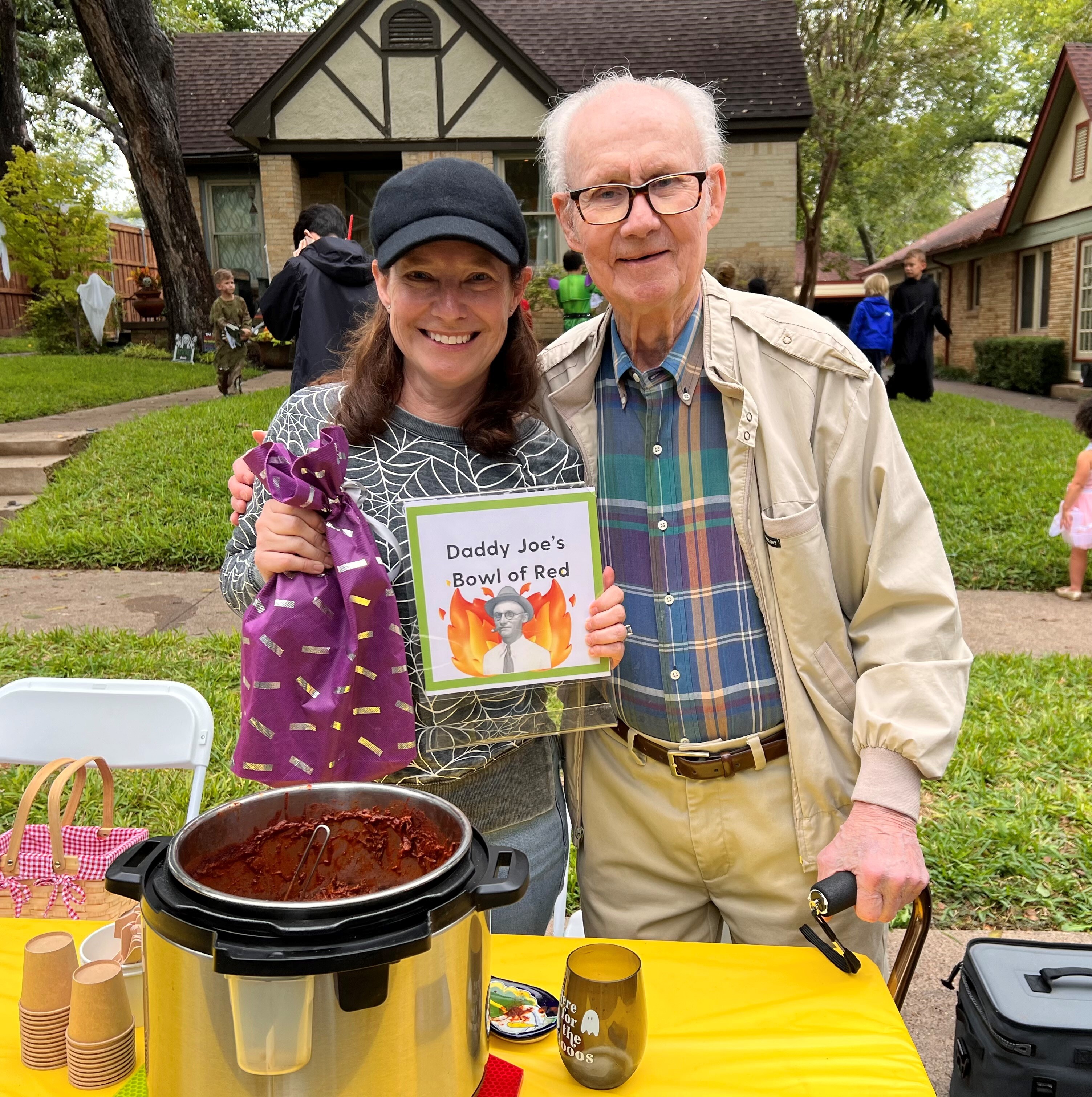
Bob Trochta and Christy Tornelli
Father’s Day, now celebrated around the world with barbecues, gifts, and heartfelt cards, has a surprisingly rich and emotional history. Born from a desire to honor fathers’ contributions to families and society, the holiday took decades to become an official American tradition. Its story is one of perseverance, love, and a growing appreciation for the important role that fathers play.
The seeds of Father’s Day were planted in the early 20th century, inspired by the success of Mother’s Day, which was officially recognized in 1914. While honoring mothers quickly caught public attention, the idea of a similar celebration for fathers was met with less enthusiasm. Society at the time often viewed men primarily as providers rather than nurturing figures deserving of sentimental tribute.
However, that perception began to change, thanks largely to the efforts of a woman named Sonora Smart Dodd. Raised in Spokane, Washington, Sonora was the daughter of a Civil War veteran and widower, William Jackson Smart. After her mother died, William raised Sonora and her five siblings alone. Deeply moved by her father’s devotion, Sonora proposed the idea of a day to celebrate fathers.
The First Father's Day Celebration: Sonora Smart Dodd campaigned tirelessly for the establishment of Father's Day. Thanks to her efforts, the first official Father’s Day was celebrated in Spokane on June 19, 1910. Local churches supported the idea, and the day included sermons honoring fathers, as well as small gifts and expressions of gratitude.
Dodd originally suggested June 5, her father's birthday, but organizing the event took more time, leading to the mid-June date. Despite the success of Spokane’s celebration, it would take many years for the holiday to gain national acceptance.
In the decades that followed, the idea of Father’s Day spread slowly across the United States. Presidents Woodrow Wilson and Calvin Coolidge both voiced support for a national Father’s Day, but efforts to make it an official holiday stalled. Some men even opposed the idea, viewing it as unnecessary or overly sentimental. There was also concern that it would become too commercialized, similar to the criticisms that had begun to surround Mother’s Day.
It wasn’t until after World War II, when fathers’ roles as providers and protectors became even more celebrated, that the idea truly gained traction. In 1966, President Lyndon B. Johnson issued the first presidential proclamation honoring fathers, designating the third Sunday in June as Father’s Day. Finally, in 1972, President Richard Nixon signed it into law, making Father’s Day a permanent national holiday.
Today, Father’s Day is celebrated globally, though not always on the same date. In countries like the United Kingdom, Canada, and Japan, it falls on the third Sunday in June, as it does in the United States. Other countries, such as Spain and Italy, celebrate fathers in March on the feast day of Saint Joseph, a traditional symbol of fatherhood.
Over the years, the meaning of Father’s Day has evolved. It's no longer just about biological fathers; many use the day to honor stepfathers, grandfathers, guardians, and father figures of all kinds. The holiday recognizes the love, sacrifice, guidance, and hard work that fathers contribute to their families and communities.
Typical celebrations might include family meals, handmade cards, and thoughtful gifts, but ultimately, the heart of Father’s Day remains the same: a sincere thank you to the men who help shape our lives. Happy Father's Day to all of the amazing fathers in our community!