Answering the Call: From Mercer Island to the Fireline
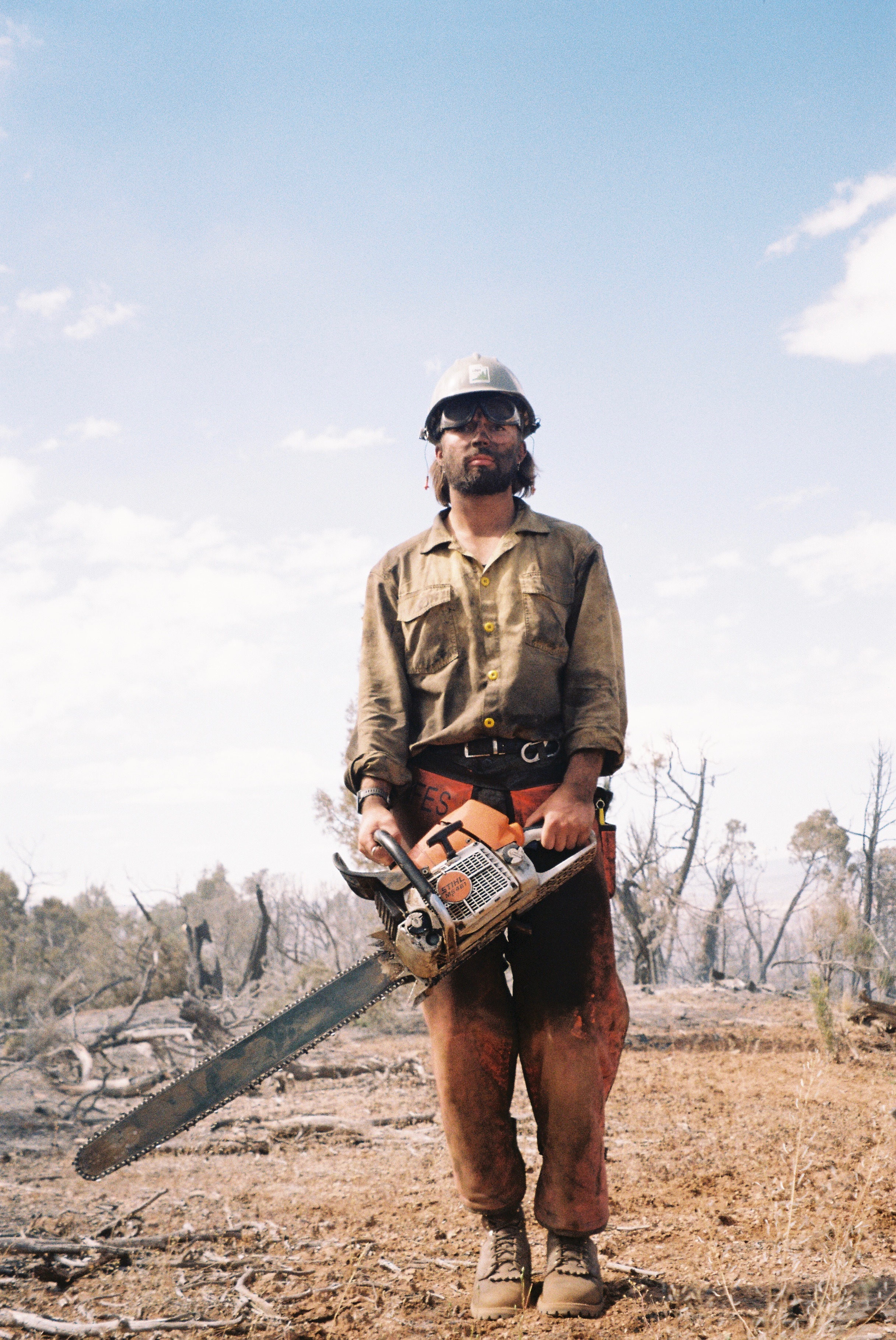
MIHS Class of 2021 graduate Carter Johnson has turned his passion for adventure, fitness, and service into a career protecting communities during wildfire season.
As summer transitions into fall, the Pacific Northwest enters one of its most critical times of the year. Although September often brings cooler mornings, it can also remain one of the region’s most active months for wildfires. Dry forests, changing winds, and warm temperatures keep firefighting crews across the West on constant alert, ready to respond wherever they’re needed.
For Mercer Island High School Class of 2021 graduate Carter Johnson, that’s exactly where he wants to be.
Johnson didn’t always know firefighting would become his career. Like many students, he spent high school searching for a path that felt meaningful. One thing was certain, though, he knew he didn’t want to spend his life sitting behind a desk.
“I realized pretty early on that I wanted a career where I could stay active and help people,” Johnson says. “I just didn’t know what that looked like.”
The answer came unexpectedly during the COVID-19 pandemic. While training almost daily at a climbing gym in downtown Seattle, he noticed the same group of men lifting weights every morning. Curious about their seemingly flexible schedules, he introduced himself.
“They all worked for the Seattle Fire Department,” he recalls. “They told me about the lifestyle, the camaraderie, and all the adventures the schedule allowed. They suggested getting experience in construction or wildland firefighting, and once I learned what wildland firefighters actually do, I was hooked.”
Today, Johnson spends his summers battling wildfires across the western United States.
No two days are exactly alike, but the routine begins long before sunrise. Wake-up comes at 5:30 a.m., and within minutes, every firefighter has packed their gear and loaded the trucks. After breakfast and a morning briefing covering weather conditions, fire behavior, and strategy, crews head toward the fireline.
Often, getting to the work is one of the hardest parts
.
“We’ll hike anywhere from a few miles to seven miles before we even start working,” Johnson explains. “Most of us carry seven to ten liters of water, and I’m usually carrying a chainsaw too, so I’m hiking with around 65 to 75 pounds.”
Once they arrive, crews spend the day cutting brush and trees, digging hand lines, and creating fire breaks to slow or stop the spread of flames. They typically work until around 8 p.m., return to fire camp for dinner, and do it all again the next day—often for 14 consecutive days before getting a short break.
For Johnson, the demanding schedule is exactly what he loves.
Growing up playing year-round lacrosse on Mercer Island taught him to embrace difficult physical challenges, and that mindset has carried directly into his profession.
“I’ve always loved pushing my body to its limits,” he says. “Hiking thousands of vertical feet carrying heavy gear just to get to where you’re going to work is a challenge in itself, and I never take that opportunity for granted.”
But even more meaningful than the physical challenge are the relationships built on the crew.
“Knowing the people around you always have your back is huge,” Johnson says. “This job can be dangerous, so having a tight-knit crew that trusts one another completely is incredibly important. Spending six months living and working together creates friendships I’ll always value.”
Like any profession, however, firefighting comes with sacrifices.
For Johnson, one of the biggest challenges isn’t necessarily the physical work—it’s the time spent away from family and friends.
During fire season, crews can spend months living in remote fire camps, with meals provided and little connection to the outside world. While Johnson appreciates the break from constant notifications and distractions, missing summer with the people closest to him can be difficult.
“Sometimes it feels like you’re completely disconnected from society for six months,” he says. “You go weeks without normal food or really interacting with anyone outside your crew. There are definitely positives to disconnecting from screens and the constant noise of everyday life, but it’s hard missing family, friends, and all the summer activities back home.”
Fortunately, Johnson says he’s surrounded by people who understand his commitment to the job.
“I’m incredibly lucky to have a supportive family and girlfriend who understand why I love this work.”
As wildfire seasons continue growing longer and more intense across the West, Johnson hopes communities recognize the dedication behind every response. The dramatic images shown on the news capture only a small piece of the job. Behind every wildfire are crews hiking for miles through rugged terrain, carrying heavy equipment, making split-second decisions, and relying on teamwork to protect lives, homes, and forests.
For young people considering a career in firefighting, Johnson encourages them to embrace hard work and challenge themselves physically and mentally.
“It’s a career for people who enjoy being outdoors, staying active, and working as part of a team,” he says. “If you’re willing to work hard and serve something bigger than yourself, it’s an incredibly rewarding path.”
As another wildfire season continues across the Pacific Northwest, Carter Johnson represents a new generation of firefighters—young men and women willing to head toward danger when others are heading away. It’s a career built on resilience, teamwork, sacrifice, and service, and one that continues to make the Mercer Island community proud.