View from the Trail
Lynda Deschambault brings science, community leadership and a lifelong love of nature to the East Bay Regional Park District
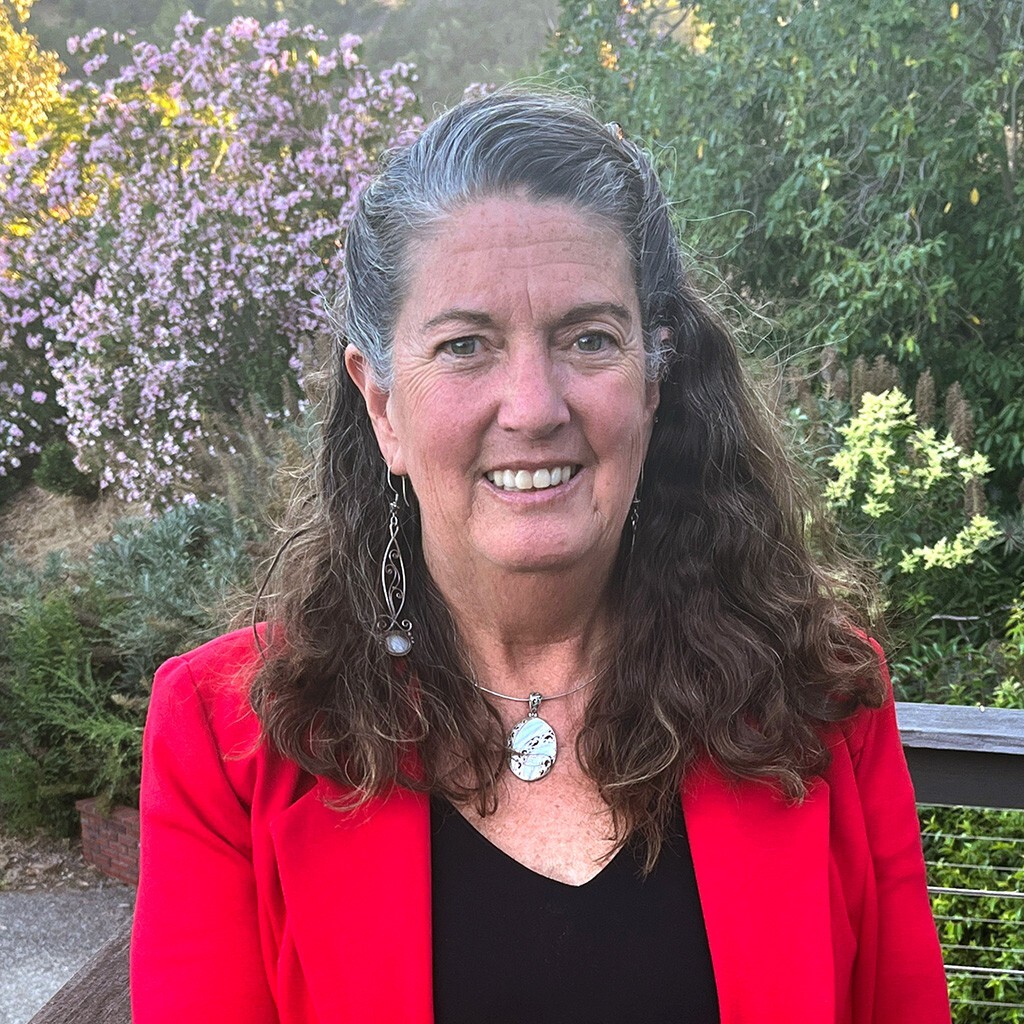
Some people discover their passion early. For Lynda Deschambault, an eighth-grade outdoor experience helped open that door. Years later, her career as an environmental scientist, her community involvement and a growing love of the East Bay's open spaces would bring her to the Board of Directors of the East Bay Regional Park District.
Today, Lynda serves as the elected Ward 2 director, representing Moraga and surrounding East Bay communities.
Her professional background brings an interesting perspective to the job. Lynda spent more than 37 years as an environmental scientist and educator, including 20 years with the U.S. Environmental Protection Agency. She also served five years on the Park District's Park Advisory Committee before being elected to the Board in 2024. However, her connection to the parks wasn't built in an office or lab.
While working as a scientist and looking for laboratory locations between Martinez and San Francisco, Lynda discovered Redwood Regional Park. What began as a place to explore became an important part of her life.
She volunteered with the Sierra Club and led monthly hikes at Redwood Regional Park for 11 years. She became involved in local conservation efforts and eventually took on a larger role in helping shape the future of the regional park system.
For most of us, the East Bay Regional Park District is experienced one hike at a time. We know a favorite trail, or a place to take the dog. We may not think much about the enormous system behind it all.
The District encompasses 73 parks and more than 126,000 acres across Alameda and Contra Costa counties, with approximately 1,330 miles of trails and 55 miles of shoreline.
That is a lot of land to protect, and protecting it involves much more than maintaining trails. The Park District is responsible for preserving habitat, protecting wildlife corridors and managing land that is increasingly affected by drought, extreme heat, wildfire, disease and tree mortality.
The District is also developing a new strategic plan to help guide its work into the future.
That means looking at some big questions. How do you protect natural areas while more people want to use them? How do you maintain healthy habitats as the climate changes? How do you make sure today's open space is still here for the next generation?
Lynda's scientific background is particularly relevant to those questions because she sees the landscape as a connected system.
Soil affects plants. Plants affect habitat. Water affects everything. Trees, wildlife, fire and climate all interact.
What happens in one part of the system doesn't necessarily stay there.
The future is another part of Lynda's focus, that is less acreage and instead focused on experience: getting people outside. Especially children.
A child walking a trail isn't simply getting exercise. They might notice a bird they have never seen, discover a creek, learn the name of a plant or wonder where a trail leads. Those encounters can become something much bigger: curiosity, memories, and eventually, they can create people who care enough about the natural world to want to protect it.
The history of the Park District shows how important that idea has been for generations. Created during the Depression, the District began in 1936 with three parks and 2,166 acres. It has since grown into one of the nation's largest regional park systems.
Parks have also proven their value during difficult times. During COVID, when so many familiar activities disappeared, trails and open spaces remained available. People walked, families explored, and discovered the natural areas that had been right outside their doors all along.
Keeping It Close to Home -
For Moraga residents, Lynda's role on the Park District Board adds a very local connection to this much larger regional resource.
She has been part of the Moraga community for years, including serving as Mayor and working on local environmental and community projects. She also helped launch the Pear Festival.
Now, her responsibilities extend across a much larger landscape, but the basic goal remains similar: protect the places that make our communities special and make sure they remain available to the people who come after us.
We can all participate. Go outside.
Try a trail you haven't walked before. Bring the kids. Slow down long enough to notice what is around you. Learn about the trees, birds and wildlife sharing the landscape. Our Monarch Garden.
We don't have to be scientists or park directors to become better stewards of the places we live.
She encourages us to get out there:
The more we know our natural world, the more likely we are to care about it. And the more we care, the more we have a reason to protect it.